
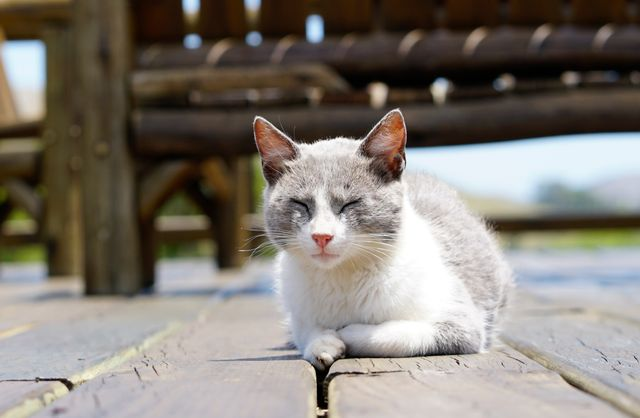
Late summer might hint at cooler days ahead, but it still comes with its own set of challenges for pets. Changing weather, more outdoor activities, and seasonal pests can create risks you’ll want to keep in mind. Here’s what to watch for—and how to keep your furry friends safe.
Heat dangers – Even as fall approaches, temperatures can stay high. Pets can still suffer from heat exhaustion or heatstroke. Warning signs include heavy panting, drooling, weakness, vomiting, and even collapse. Keep them cool with plenty of shade, fresh water, and by avoiding exercise during the hottest hours. If you suspect heatstroke, move your pet to a cooler spot, offer water, and call your vet immediately.
Fleas, ticks, and other pests – Late summer is prime time for parasites. Check your pet regularly for ticks, use vet-approved preventatives, and keep their bedding and surroundings clean to reduce infestations.
Allergies – Seasonal allergies—like pollen—can cause itching, skin issues, ear infections, or breathing trouble. If you notice these symptoms, talk to your vet about diagnosis and treatment options.
Hot pavement and paw burns – Pavement can still get hot enough to burn paw pads, even when the air feels cooler. Touch it with your hand before walks, or use protective booties.
Lawn and garden chemicals – Fertilizers, weed killers, and other chemicals can be toxic. Keep pets away from treated areas and store all products securely.
Water hazards – Pools, lakes, and rivers can be risky, especially for pets that aren’t strong swimmers. Always supervise them near water, and consider a pet life jacket. Cold water can also be dangerous if they stay in too long.
Barbecue and picnic dangers – Outdoor gatherings can tempt pets with unsafe foods like onions, garlic, chocolate, grapes, and fatty meats. Keep harmful foods out of reach and avoid giving table scraps.
Travel stress – Vacations and road trips can disrupt routines. Plan pet-friendly accommodations, make sure they have proper ID, and use a crate or carrier for safe travel.
Insects – Bee stings and insect bites are more common now. Yellow jackets, in particular, peak in late summer and early fall. If your pet is stung, remove the stinger and watch for allergic reactions.
Wildlife encounters – As summer winds down, wildlife may wander closer to neighborhoods. Keep pets leashed, and ensure vaccinations are current to protect against diseases.
Bottom line: Stay alert, practice preventive care, keep a pet first aid kit handy, and call your vet when something seems off. A little extra attention now can help your pet safely enjoy the last stretch of summer.